When we talk about ageing well, we often focus on diet, fitness, or medication. But what if creativity could be just as important?
There’s growing global interest in the idea that engaging in the arts, whether through music, dance, painting, or writing, can actually support our health and well-being as we age. In fact, in the UK, creative activities are now being formally prescribed by healthcare providers as part of a holistic approach to care.
What is Social Prescribing?
Social prescribing of arts-based programs involves doctors and healthcare professionals referring people to community-based, non-clinical services as part of their healthcare plan.
The aim? To improve mood, reduce psychological distress, and enhance quality of life all without relying solely on medical treatments. At the same time, these arts prescriptions can improve social connection and potentially reduce loneliness for older adults.
But does it really work?
Research shows that both receptive engagement (like attending concerts) and active participation (like joining a choir or making music in a group) can enhance well-being. Older adults report feeling more connected, motivated, and energised after participating in arts-based programs. Some studies even link these activities to improved cognitive health. However, there is variability in how programs are designed and delivered, making it harder to replicate the results on a large scale.
Therapy or community arts? (Or both?)
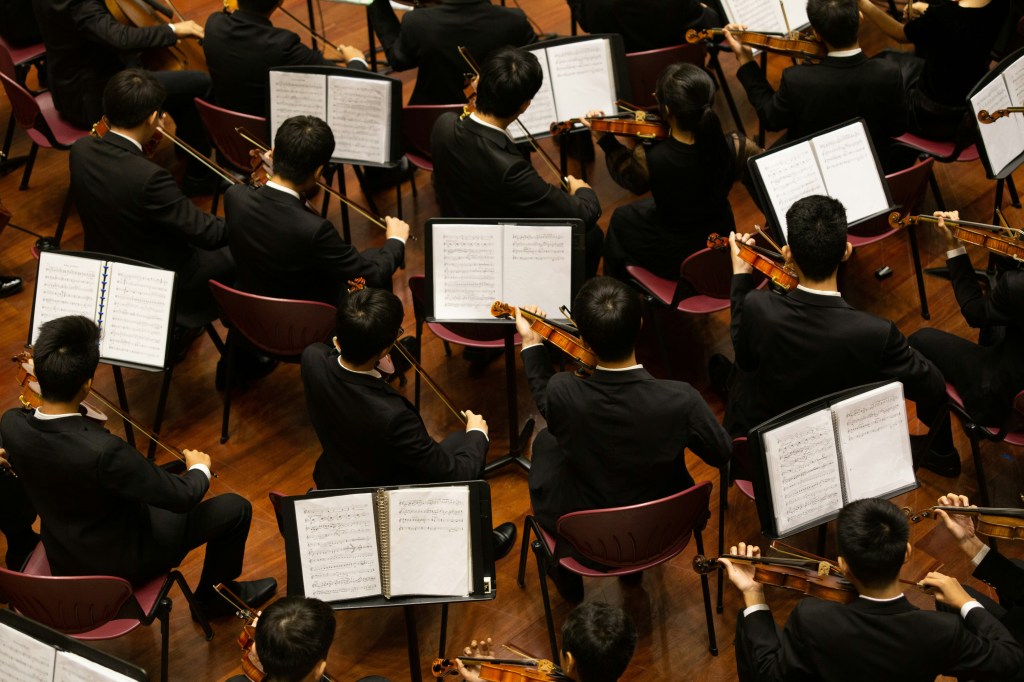
It’s essential to distinguish between creative arts therapies, such as music therapy or art therapy, and community arts programs, which are often open to everyone without a referral.
Creative arts therapies, offered by allied health professionals, are generally more individualised and often target specific health or cognitive goals. Community-arts programs, meanwhile, are usually more social and scalable. Both types of programs require skilled facilitation when healthcare is an outcome.
In our experience, older adults bring a wealth of experience to community-arts programs, which must be reflected in the program design. Additionally, facilitators must balance all participant experiences and ensure health and cultural safety, thereby making the program accessible and inclusive for all.
Creative arts therapists undergo extensive training to support health outcomes in their work. Community-health musicians and artists will be equally skilled in their music and art, but may not have the training to support health outcomes. That’s where partnerships with experienced therapists can make a big difference. A consultancy model of healthcare may be advantageous in the arts for health space.
Why this matters more than ever
As populations age, healthcare costs may also rise. We need creative, cost-effective solutions to support healthy ageing. The arts are a promising option. But for them to become a formal part of healthcare in Australia, we need greater investment, clearer evidence, and a stronger commitment to making arts programs accessible to all.
As the World Health Organisation (WHO) reminds us, health is not just the absence of disease, but complete physical, mental and social wellbeing.
The arts might not be a pill, but they can absolutely be part of the prescription.
If you would like to learn more about integrating the arts into your healthcare solutions or workplace wellness programs, please contact us to discover more.
We are researchers and arts for health experts who can design bespoke programs to support arts for health in your organisation, community or healthcare setting. We also offer consultancy solutions.
Author’s Note:
This blog post draws from doctoral research exploring how group improvisational music-making enhances cognitive and emotional well-being for healthy older adults. The program expands proven therapeutic techniques into meaningful, accessible programs for older adults, supporting healthy ageing and serving as a dementia prevention strategy.
 sound health initiative
Leave a comment